News (click to select category)
Discrimination of relevant test standards for container corner parts: distinguish the whole machine test, casting body test and component verification test
Date:2026-10-28ID: 410Heat:
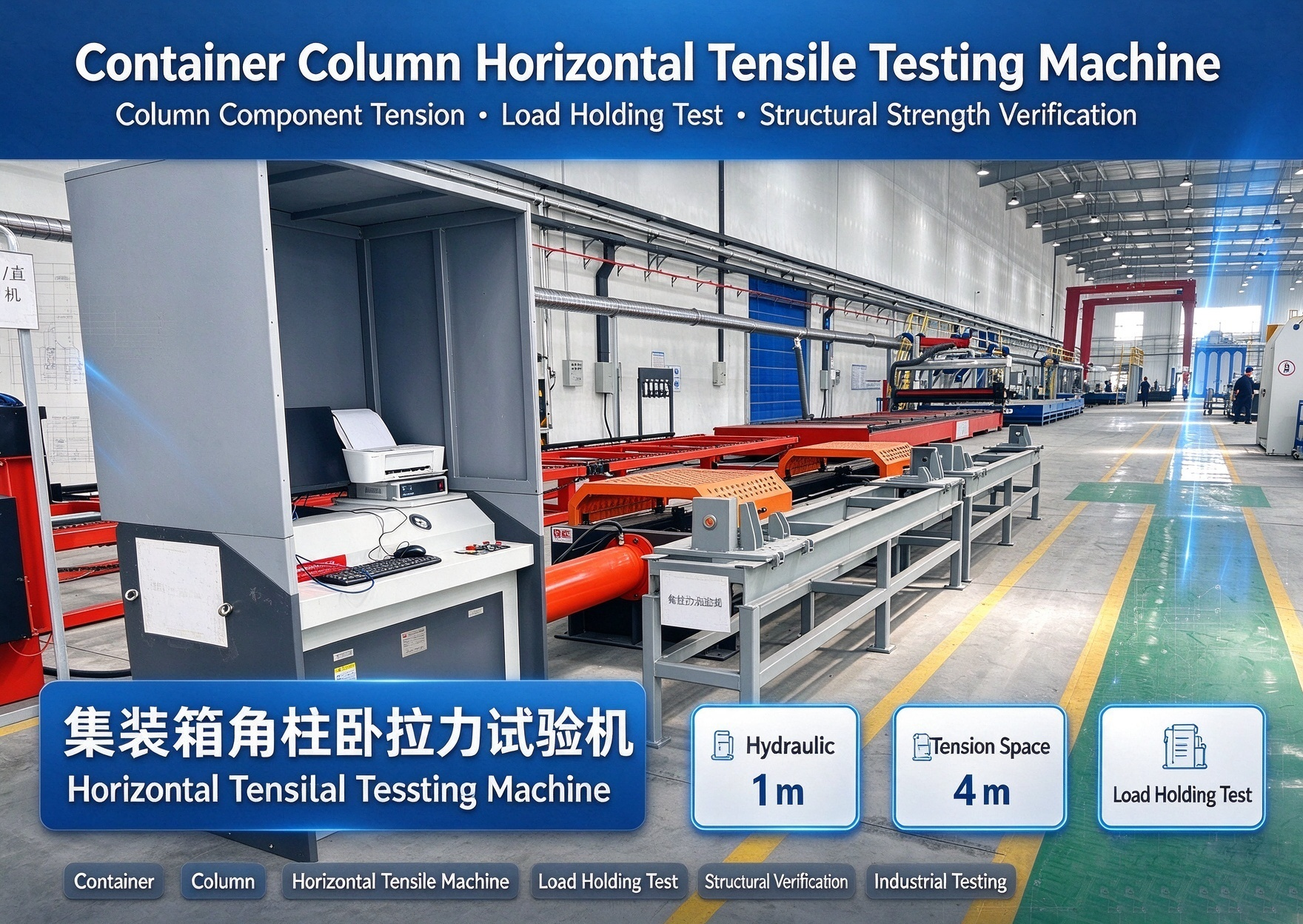
> Introduction: In the structural inspection of energy storage containers and standard containers, many users easily confuse the applicable objects of different test clauses in ISO and GB, and confuse the whole machine stacking test, corner casting body test and corner welding assembly verification test, resulting in deviations in the selection of test schemes, equipment selection and drawing review by classification society. In this paper, the high-frequency questions in the industry are clearly sorted out for reference by colleagues in R&D, testing and equipment selection.
# # I. ISO1496‑1: Full container stacking test ≠ tensile test of corner column assembly
ISO1496‑1 is the general dry container specification and test standard, and the * * stacking test defined in it is the test of complete container at the whole machine level **ISO.
The test object is the assembled whole container, simulating the multi-layer stacking condition, and the load is applied to the four corner parts of the box, so as to assess the overall stiffness of the complete box frame, the deformation of the box and the structural safety of the whole machine.
>
> Important note: * * This standard does not support disassembling the welded components of corner columns and corner pieces, and independently doing horizontal tension to replace the whole box stacking test * *. Pulling out a single corner column for stretching can't be equal to the whole container stacking condition stipulated in ISO1496‑1, and the stress boundary and constraint conditions of the two are completely different, so they can't be replaced equally.
Stacking of the whole machine tests the cooperative force of the whole frame of the box; However, the horizontal stretching of single corner post+corner component is more used to verify the strength of welded joints at the component level, and to assess the load of components, which belongs to the test means of enterprise design verification and process evaluation, and is not equivalent to the whole machine type test specified in the standard.
# # 2. ISO1161/GB/T1835‑2023: Only for the strength of corner castings.
The current national standard * **GB/T1835‑2023 "Technical Requirements for Series 1 Container Corner Parts" is equivalent to the ISO1161 international standard * *, and the control object of this standard is the corner casting itself * *, and the transportation standard is to check the material, size, mechanical properties and impact properties of the corner casting.
>
> key distinction: * **GB/T1835‑2023 and ISO1161 standards, excluding the test requirements of "corner column+weld" complete welding assembly * *.
-Standard control: corner casting body;
-Standard does not cover: corner post profiles, welding seams between corner pieces and corner posts, and corner post corner piece welding assembly components.
Many projects will directly refer to this standard to do the tensile test of corner column corner weldments, which belongs to the misuse of the standard. The qualified corner casting does not mean that the welding joint and total welding achievement of corner column and corner piece must be qualified; The strength verification of weld and corner column needs to be combined with welding procedure qualification and component tensile load-retaining test, which is not mandatory in corner casting standard.
# # III. Verification load of 450kN energy storage container: industry reference value, not mandatory fixed standard value.
In the energy storage container industry, 450kN is a widely used component verification load in engineering, but it should be made clear that **450kN is not a mandatory test load value in national and international standards, but a reference value in industrial engineering practice.
In the classification society's drawing review, the verification load cannot be directly fixed at 450kN, and the drawing review organization will recalculate according to the maximum gross weight of the box, the number of design stacking layers and the actual working conditions in the drawing documents. If the dead weight and full gross weight of the energy storage box are larger, it will be required to increase the component verification load to match the actual design working conditions.
Simple understanding:
1. 450kN is an engineering reference verification load widely used in energy storage industry projects;
2. The final component test load shall be derived from the structural calculation of this project;
3. The classification society will review the calculation sheet, and the load needs to match the design parameters of the box body. It is not allowed to directly solidify 450kN as a general mandatory index.
# # IV. How to choose the testing machine and test scheme reasonably for different tests
1. ** Full-machine stacking test (ISO1496‑1)** *: A full-container stacking test bench is needed to load the complete container and check the whole machine structure. The horizontal tension machine * * cannot be used to complete this standard test of the whole machine * *.
2. ** Inspection of corner castings (GB/T GB/T1835‑2023/ISO1161)** *: Sampling the corner castings, and testing the material mechanics, impact, etc.
3. ** Verification of tensile strength and load preservation of welded components of corner columns * *: Using horizontal tensile testing machine (such as horizontal tensile testing machine controlled by LAW‑600D microcomputer), the ultimate tensile strength, force load preservation and deformation load preservation of the components are completed, which are used for * * enterprise R&D verification, welding process evaluation and component-level design verification * *.
>
> supplementary note: the data output from the test of this component is the design verification evidence; It can't be directly equivalent to ISO1496‑1 FCL stacking type test report, and the test levels need to be clearly distinguished when submitting drawings for approval.
# # V. Summarize the suggestions
1. Distinguish the test levels: complete machine type test, casting body test and welding assembly process verification test, which have different objects and standards and cannot be substituted for each other;
2. Don't transfer the requirements of ISO1496‑1 full container stacking to the tensile test of single corner column assembly;
3 3. GB/T1835‑2023 corner casting, excluding corner column and weld assembly;
4. For the energy storage container project, the verification load of components shall be calculated according to the structure of the project, and 450kN is only a common reference for the industry. The classification society's drawing review shall be based on the total weight of the container and the accounting results of stacking layers.
For manufacturers of energy storage containers and special containers, it is suggested that "standard compulsory type test" and "internal design verification test" should be clearly distinguished in the early stage of the project to avoid standard citation errors and reduce the risks in drawing review and project acceptance.
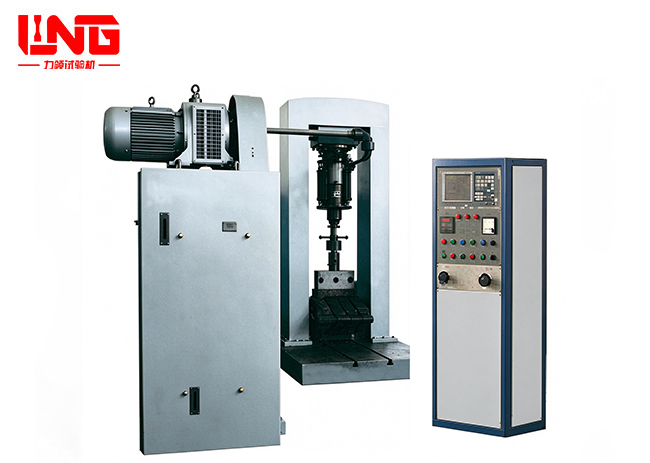
PMS-500 Hydraulic Pulsating Fatigue Tester
PMS-500 hydraulic pulsation testing machine is suitable for ...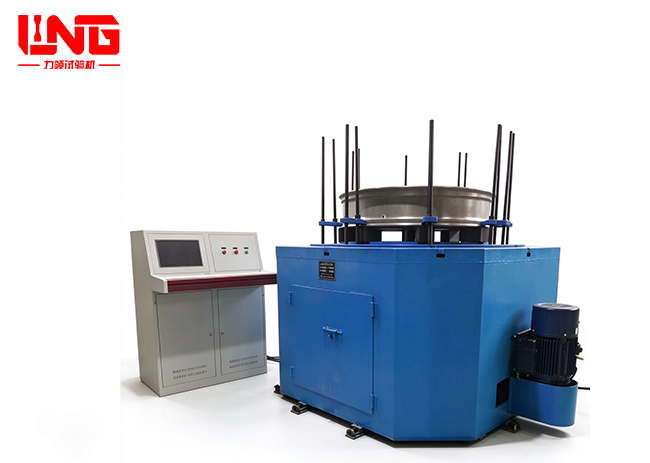
Fatigue of LPQW-50000 Wheel in Rotation and Bending testing machine
This testing machine is driven by variable frequency motor t...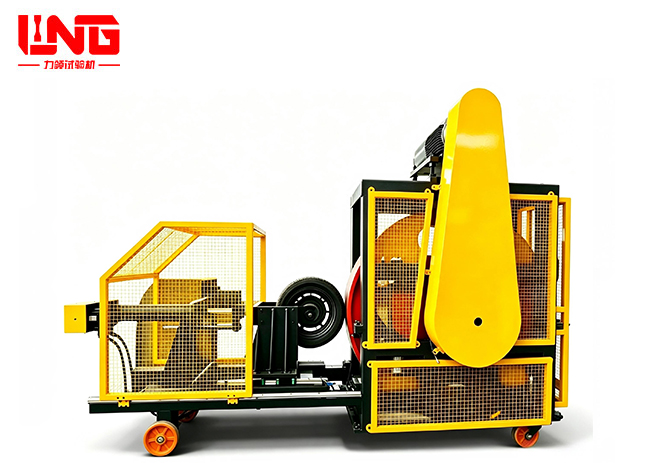
LTNJ-20-1 (single station) tire high-speed durability tester
This testing machine is used to test the high-speed performa...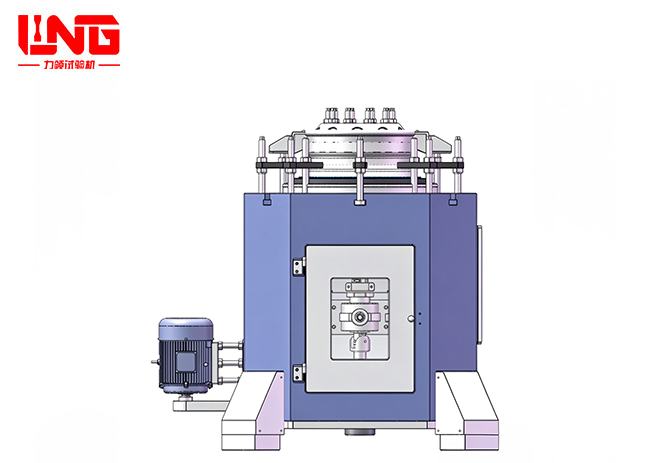
PQW-20000 Wheel rim rotary bending test bench
With the development of heavy load, light weight and long se...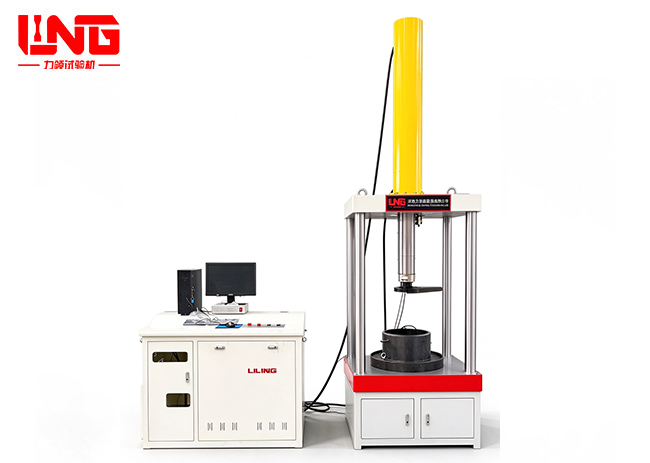
YAW-500 Microcomputer-controlled rim welding strength and pressure testing machine
The testing machine adopts a single-output-rod double-acting...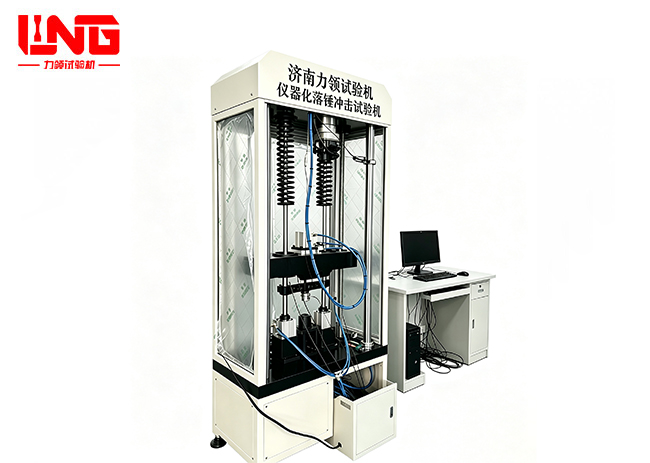
LLY-300 Instrumental drop hammer impact tester for composite plates
The instrumented drop hammer impact testing machine is mainl...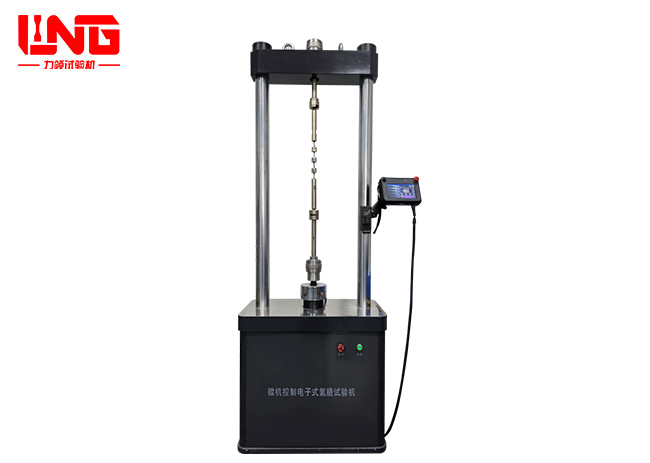
LQD-100 microcomputer controlled electronic durable hydrogen embrittlement tester
The LQD-100 microcomputer-controlled electronic endurance hy...
PQS-1000 two-channel axle housing fatigue testing machine
PQS-1000 two-channel axle housing fatigue testing machine is...
About LiLing
Product range
News
Contact LiLing
National Service Hotline:+86 18660398828
Address:Building 2, No. 6 Weihua West Road, Shizhong District, Jinan City, Shandong Province,China


Business consultation (WeChat)
Technical Support: ChaoYueHuLian
Links: